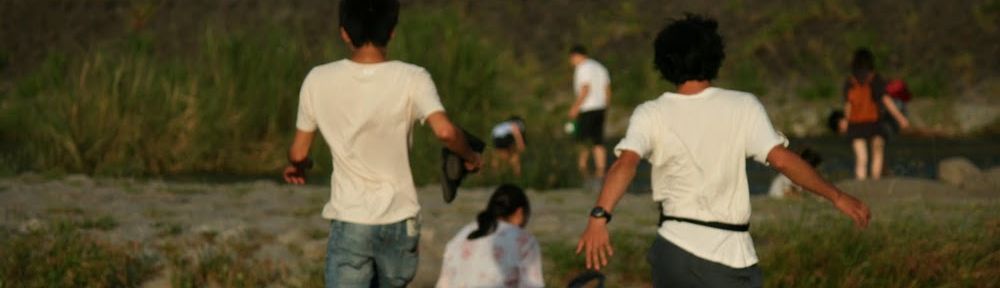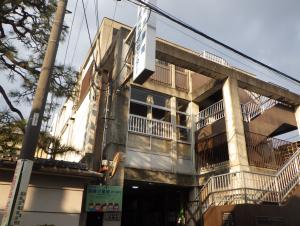
For my CIP activity this semester, I chose to do Kyudo, which is the traditional Japanese sport of archery. I call it a sport, which it is, but it’s more focused on the actions, form, and mindfulness than it is on actually hitting the target. Slowly feeling yourself improve and go from practicing with a rubber band, to a real bow, to a bow and arrow, to finally stepping out into the dojo and shooting at the target was an incredibly fun journey, Overall, I really enjoyed it, but it was pretty uncomfortable at first being the only foreigners in the dojo. It was also Tuesday from 6 to 7:30 or 8, which meant that for people who are living far away from the dojo you can be stuck on campus from noon until 6. Also, the sensei is INCREDIBLY kind and patient, but also talks quickly and in thick Kansai accent, so I’d steer clear of this as a CIP if you’re not confident in your listening ability.
Danielle McKinney: Volunteering at the Nishijin Jidokan

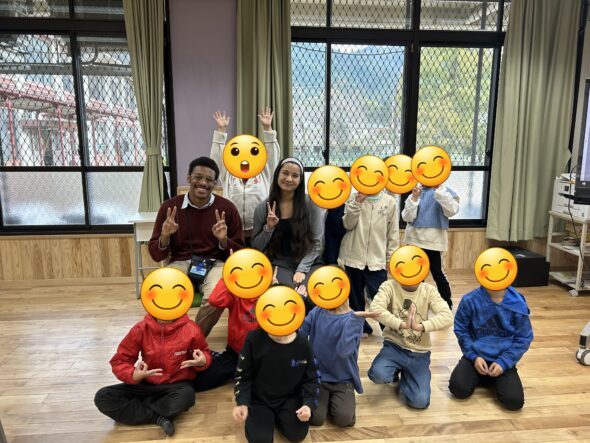
I volunteered at the Jidokan in Nishijin. I would highly recommend this activity if you enjoy working with children or you want to improve your casual Japanese speech. You simply show up and spend a few hours playing and working with the kids. The children are extremely energetic and fun to work with.
Adela Schwartz: Weaving
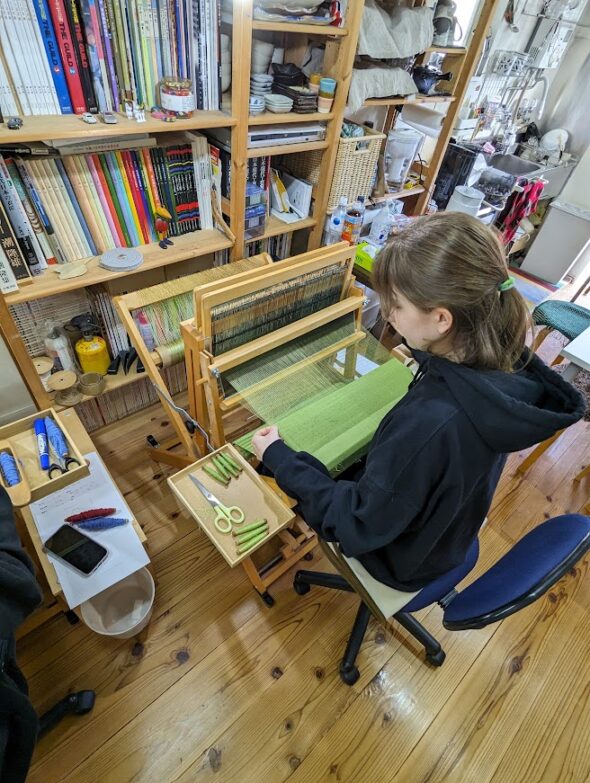
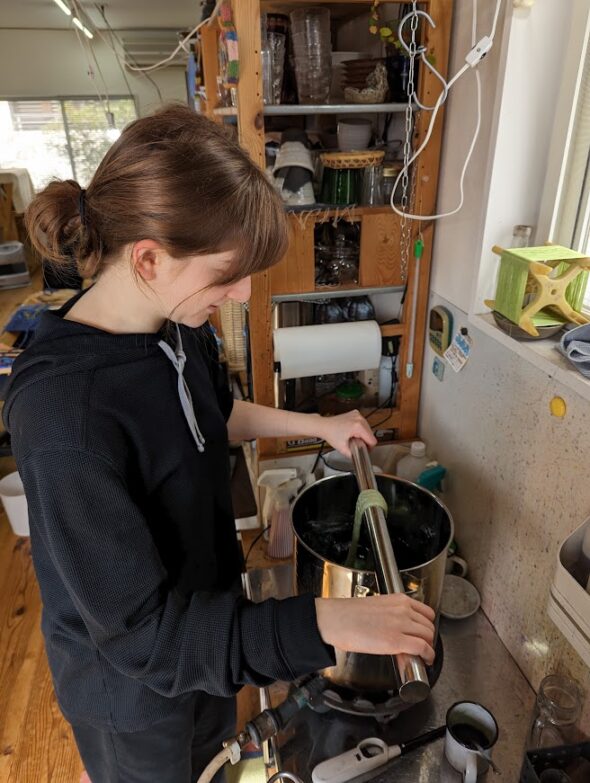
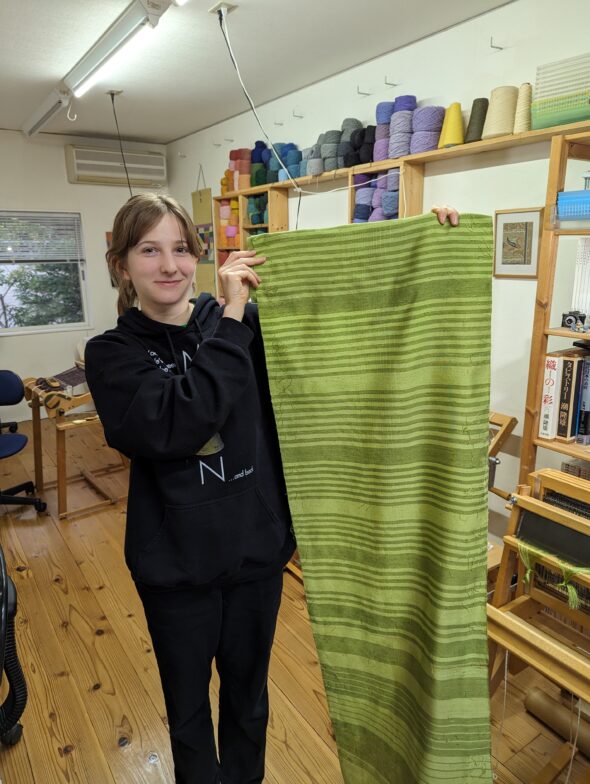
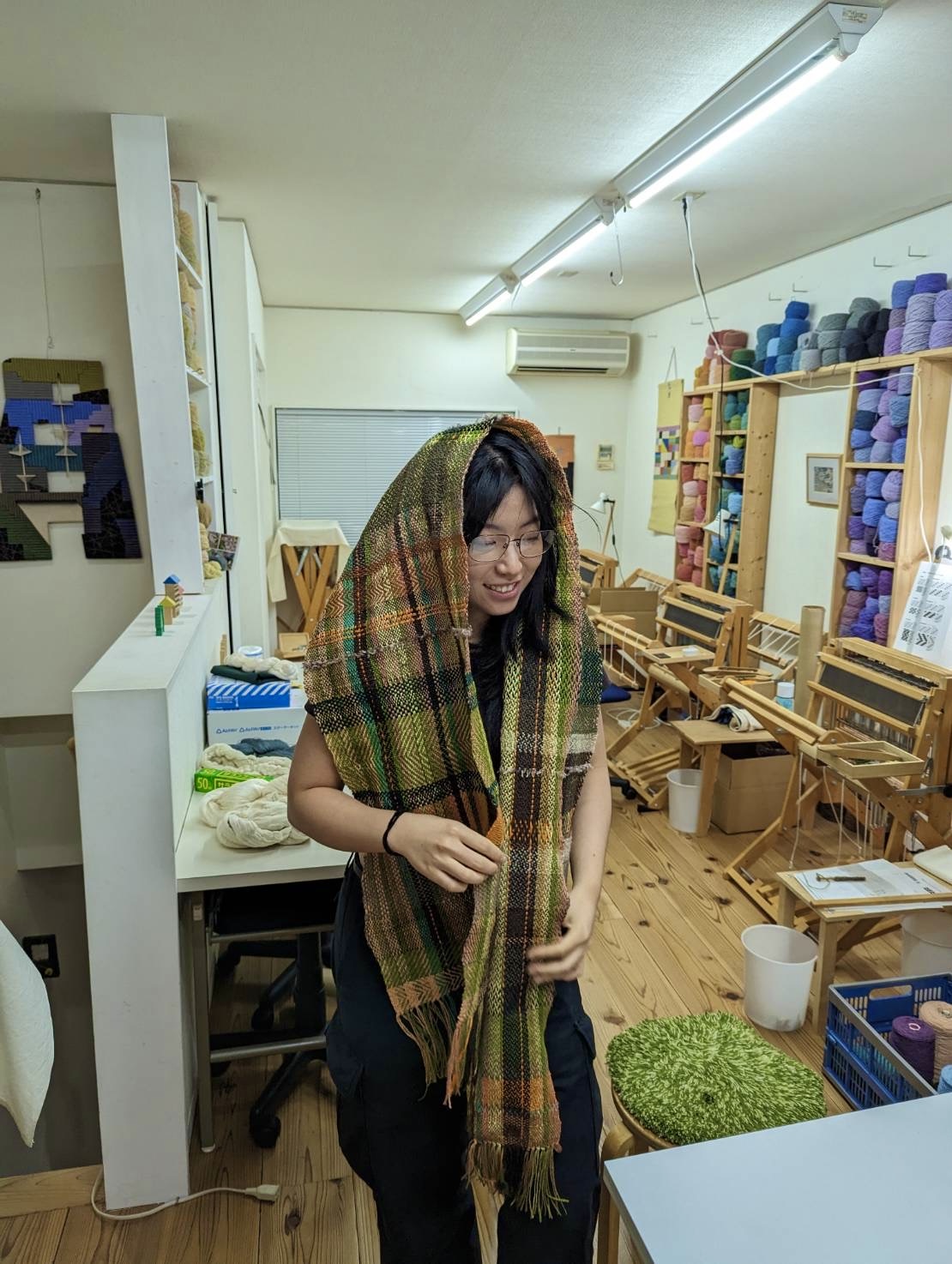
For CIP I took weaving lessons with 河崎先生 and ゆり様. I learned to weave on the loom, develop my ideas into physical form, dye threads, etc. – creating 6 projects this semester (3 scarfs, two mats, and a wall piece). Having this time with 河崎先生 and ゆり様 has left me with much more than a new skill set – I have gained confidence in unfamiliar territory and have grown in my ability to enjoy the present. When I look back on this time and at the pieces I made I will be thinking of the laughs shared and enjoyment in problem solving that I experienced with 河崎先生 and ゆり様.
My advice around the CIP experience is to be as present as possible – it is easy to fall into routine and feel academic (or other) pressures but I think the CIP is a designated time where your personal growth and wants from study abroad can be centered. Also, I would not be afraid of the “boundaries” or “differences” (ex. Language barrier) you may perceive as hindrances to your ability to connect with those around you – showing up and choosing to be excited about what you are doing is enough to build meaningful relationships with your CIP hosts.
Matthew McCormack: Calligraphy


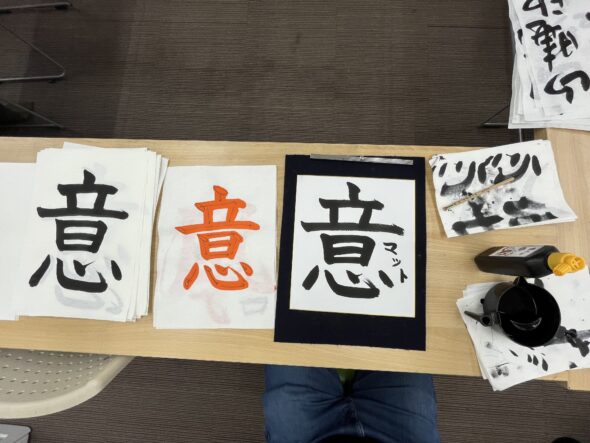
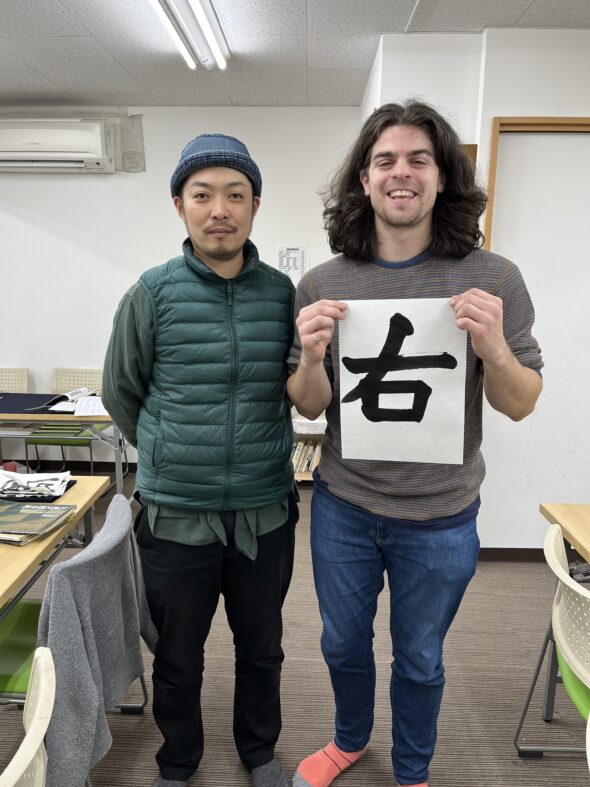
My CIP consisted of going to a calligraphy (書道) studio every week to practice calligraphy. I learned many new kanji and honed my writing abilities. I even had to use my non-dominant right hand! This was a wonderful experience that I will never forget. The sensei Fukunaga Shoukei was a great support to me and constantly encouraged me the whole time.
My advice to future students who have interest in calligraphy would be to forgive yourself if the kanji is not coming out right. Calligraphy is a learning process, and with every stroke you are becoming better!
Rebecca Lee: Sadou (Tea Ceremony)
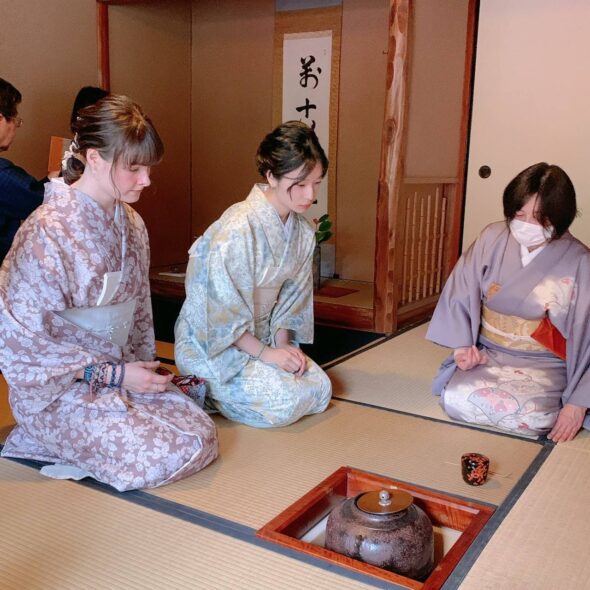
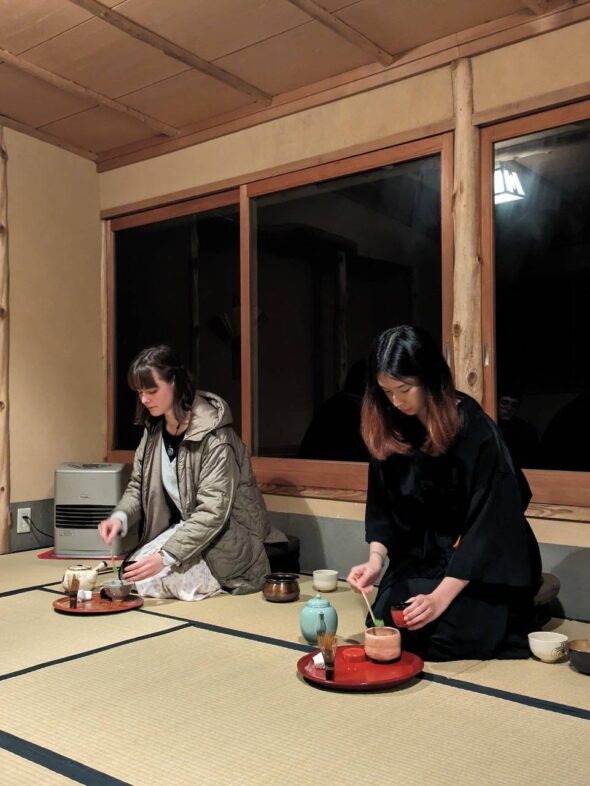
This semester, I attended tea ceremony lessons at Kyoto Wabichakai with Fujimura sensei. Each week, we learned and practiced the steps to tea ceremony, and learned about the many philosophical and religious aspects of tea that are embedded in Japanese culture and thinking.

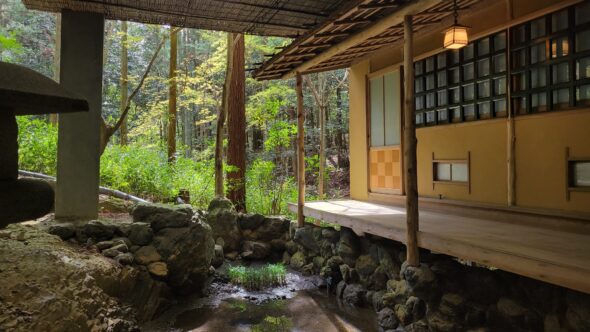
Chashitsu during the early morning
I highly recommend this CIP to those who are seeking an authentic experience in Japanese culture. Throughout the lessons, Fujimura sensei would teach us about very thought provoking questions like the aesthetics of tea, the way movements, pacing, and demeanor can affect the atmosphere of a tea gathering, the way yin and yang, Zen and Shintoism interplay in the tradition of tea, and much more. Fujimura sensei was also very keen on providing us students with as many opportunities to be immersed in Japanese culture and brought us on memorable trips around Kyoto and Japan including plum blossom viewing at Kitano Tenmangu, sunrise and omairi at Ise Jingu, and an ohanami and ochakai at Heian Jingu in kimonos.

Learning about chadougu during an ochakai at Heian Jingu
I think that going to every practice with an open mind and having the willingness to learn is the key to making the most out of a CIP like this. Because the duration of your CIP (and also your stay in KCJS) will be much shorter than you will anticipate, it will be impossible to master tea during that short time. Rather than perfecting the movements and steps, I found it most meaningful to experience the mindfulness and meditative state that tea evokes and internalize it into something that is very personal to myself.

Practicing sadou
El-Ghannam Rashad: Volunteer at Nishijin Child Care Center.

For my CIP I volunteered at a 児童館 (jidoukan) once a week. It’s like a daycare for children to go to after school, ranging in children from ages of like 6 to older elementary schoolers. As a volunteer I get to play with the children, and make sure nobody gets hurt.
I greatly enjoyed my time here as a volunteer, every week I got to practice listening and talking as I played along with the children. I was surprised how much I could learn from them, one kid even taught me how to play shogi. Though at times it could very loud, and a lot of things may be difficult to understand. So I definitely recommend learning about the Kyoto dialect early on.
For those who are thinking about their CIP coming in, I would greatly recommend volunteering in a Jidoukan. The children are usually sweet and aren’t yet shy of foreigners and are in fact the opposite, greatly infatuated with how u look. And even if you can’t understand them or they can’t understand you at all times, they will still love talking to you. It’s perfect for those who may feel easily embarrassed about speaking mistakes, as the children don’t really care and there’s nothing to be embarrassed about. And for CIPs in general, the sky’s the limit. Go and find something you want to do or try something new.
Will Johnson: Volunteering at Fukakusa Kindergarten

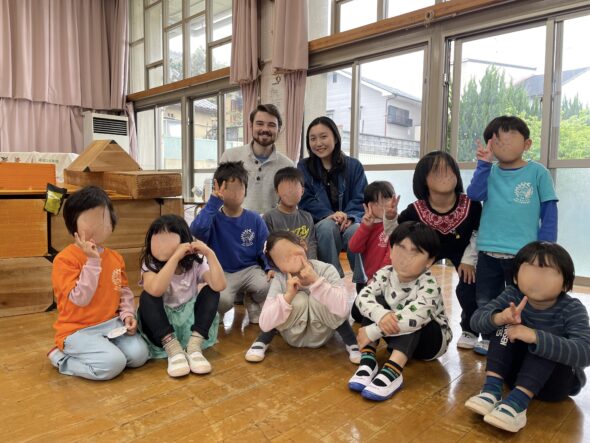
At Fukakusa Kindergarten I got the opportunity to play and interact with the students for a couple hours each week, doing things like solve puzzles, build LEGOs, and play card games. If you’re looking for a place to work with younger Japanese students, Fukakusa is great, and you get the chance to work with some Japanese students in English as well!
My experience at Fukakusa was different than what I thought it would be at first, a place where I would primarily use English and teach it to Japanese students. However, it turned into a place that was challenging for me with regard to my Japanese skills, as well as a great opportunity to learn about the culture of the Japanese education system. The staff there are amazing and do a great job of making you feel welcome and will help you out with any trouble you have!
Jack Johnston: Volunteering at Happiness Kodomo Shokudou

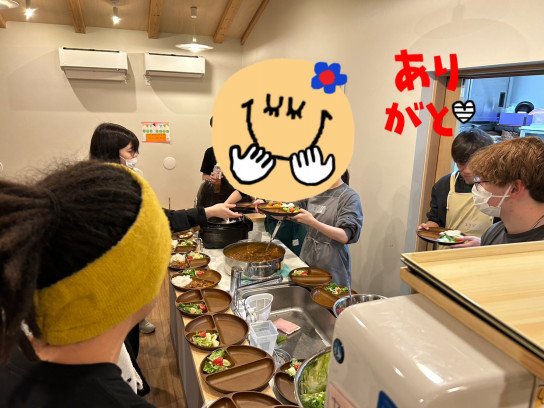
This semester I volunteered at Happiness Kodomo Shokudou, a children’s cafeteria near Nishioji Station! Every Wednesday I would volunteer from 3-8 PM by preparing parts of that evening’s meal, serving food, cleaning, and keeping the children occupied.
No one at Happiness can speak English, so this was a great opportunity for me to be completely immersed in Japanese for almost my entire day. I enjoyed getting to know the other volunteers at the cafeteria, as well as getting the opportunity to attend additional activities like strawberry picking.
For incoming students, I would highly recommend making an effort to get to know the children quickly and early on. For those with whom I didn’t interact within the first week or two, it became very difficult to talk with them. Likewise, this CIP is loud and engaging, so be prepared to interact with many different types of people!
Jasmine Chen: Weaving


weaving weaving weaving

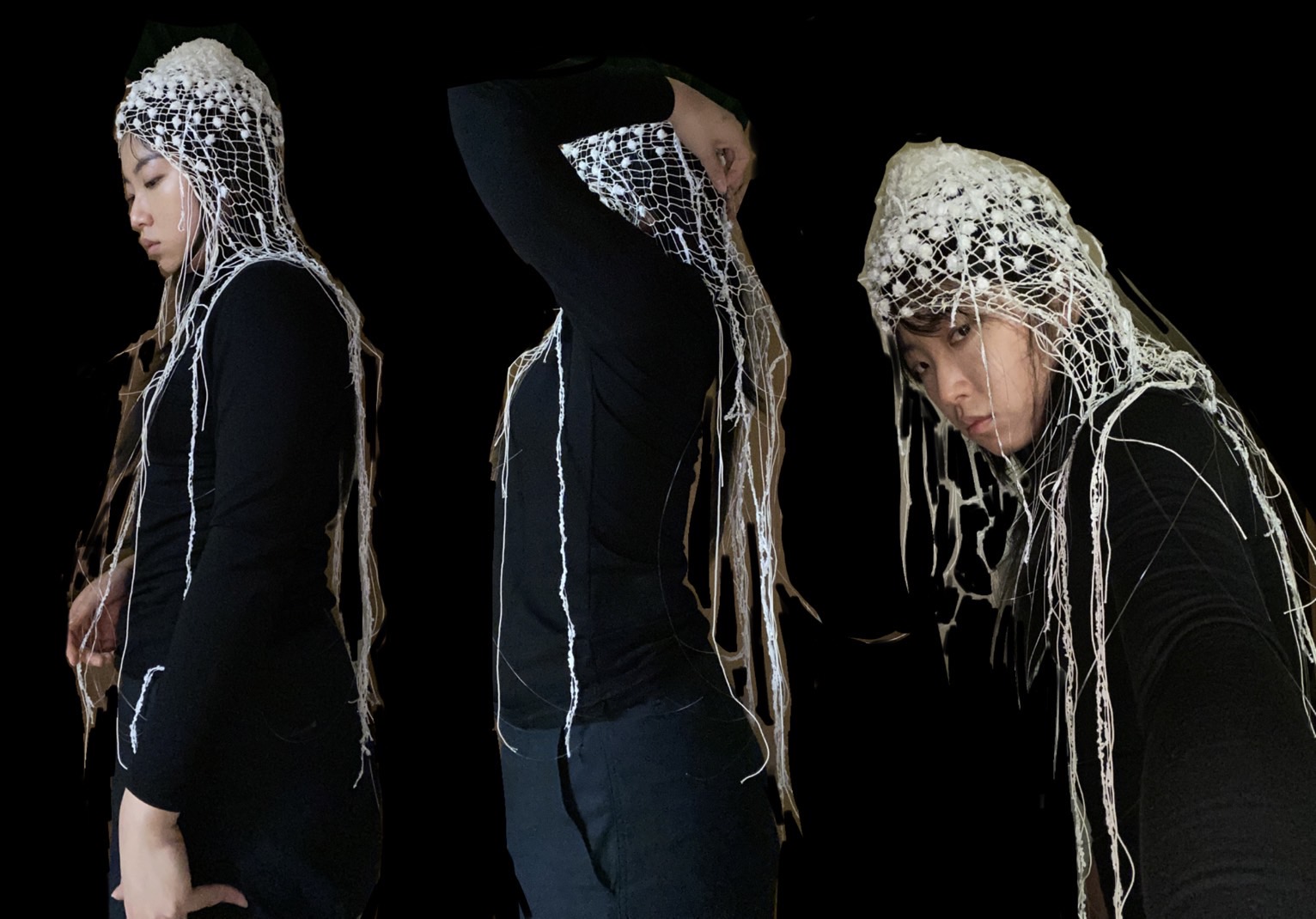
Unactivated fiber-optic headpiece
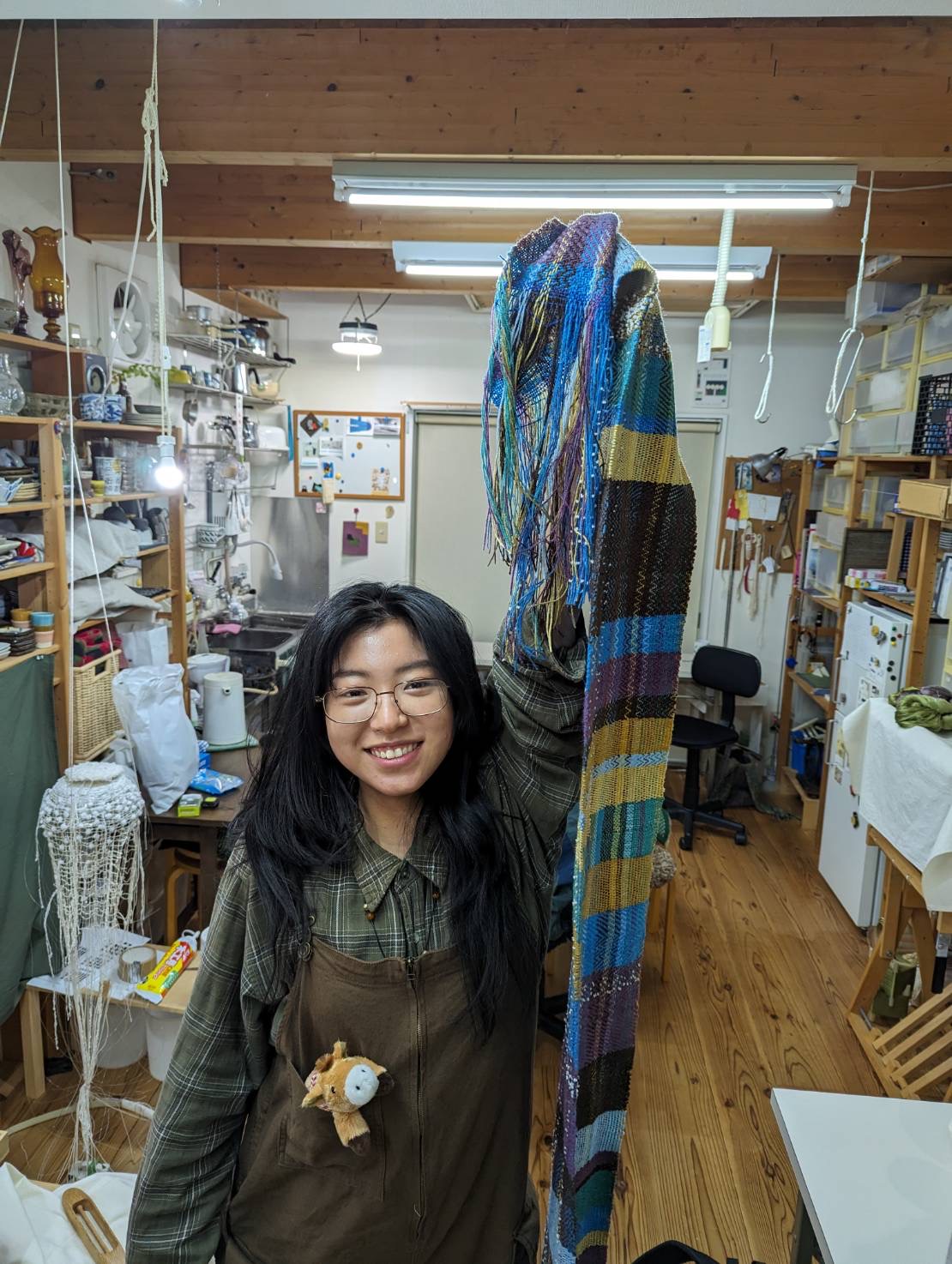
In my weaving lessons with Haruki and Yuri Kawasaki in Kyoto, Japan (filled with a rich textile art history) I practiced the use of a four-treadle floor loom, learning to measure and prepare threads, design intricate patterns, and weave consistently structured pieces. I made beautiful, vibrant scarves (they are my absolute favorite and often receive compliments), along with a glove, pouches, and a shining, fiber-optic headpiece designed to pair with my future ceramic sculptures.
As an advice, communication and comfort is a common concern in CIP activities: learn to observe. I gained a lot from watching Kawasaki sensei and fellow students, understanding their hand movements and thread handling techniques. The Kawasakis, with their generous, humorous, and patient nature, are fantastic to work with and are very open and supportive to artistic project ideas. Take your time to develop your own way of interacting with them.
Emma Liu Volunteering at Mitsuba Kindergarten
This semester I did my CIP at Mitsuba Kindergarten as a volunteer. Every Wednesday I would walk to the kindergarten and have fun with the kids from 2-4 pm. My routine usually involves playing with the kids (reading books, drawing…) and monitoring the environment to make sure the kids are safe. Throughout this experience, my heart was always warmed by the children’s affection and the staff’s welcoming nature. Every time was a learning adventure, not just for the kids, but for me as well. I observed firsthand how cultural norms shape educational practices, especially in areas like discipline and child autonomy (it seems to me that Japanese kids were given an extraordinary amount of freedom). The most enriching part was definitely seeing the tangible progress in my Japanese language skills and the deepening of my understanding of intercultural nuances. This entire experience was a wonderful blend of teaching, learning, and cultural exchange that is not only enjoyable but also very helpful with my pursuit of engaging in international comparative education
For those considering similar opportunities, I highly recommend it!! Engaging in such experiences can significantly enhance your understanding of different cultures and educational systems. It’s a chance to grow linguistically and personally and to gain invaluable insights into the intricate relationship between culture, language, and education.