Andrew Feenstra: Kyudo

For my CIP, I decided to do Kyudo at the Kyoto City Budo Center. There are a lot of things to remember each week, such as proper etiquette, proper form, etc., but once you get it down it feels insanely rewarding. The sensei at the dojo was super friendly and was very accommodating despite the language barrier. At the end, I felt extremely comfortable using the huge bow and was able to hit the target almost in the center! My advice to incoming students would be that you should not hesitate to make more friends at the dojo! It can be intimidating, but it can make your experience a lot more meaningful and improve your Japanese tenfold.

Jacob Solano: Fly Dance Studio

At Fly Dance Studio, you have the opportunity to learn dance from a diverse range of instructors. Whether you’re interested in hip-hop, k-pop, jazz, house, or any other style, there’s a class for you. To get started, create an account with them and choose between paying per class or purchasing a pass that allows you to attend multiple classes freely.

If you’re a beginner dancer looking to learn choreography, Fly Dance Studio is the perfect place to learn. The instructors are incredibly friendly and welcoming, and most importantly, they really invest in your learning. Dancing at Fly Dance Studio was a blast as the environment was super fun and encouraging. It seriously reignited my love for dance.

Phoebe Yao: Dance at Fly Dance Studio

Chika’s 初めてのHip-Hop Class!

Fly Dance Studio is a dance studio located in Sanjo where you can attend a variety of classes ranging from beginner to advanced in styles ranging from k-pop to hip hop to breaking, locking, freestyle, jazz, and more. 

Although this CIP would definitely require more effort on your part to make friends and connect with classmates and teachers, it is an especially great opportunity for experienced dancers to experience the dance scene in Japan firsthand! 

I definitely recommend picking a CIP that has both components of something familiar and unfamiliar. For me, dancing k-pop was somewhat familiar, and attending class and dancing hip-hop were wholly unfamiliar to me. Whenever I was struggling with aspects of the unfamiliar like the classes going too fast or the teachers being scary, I was able to fall back on the k-pop class and my enjoyment of that choreography and that music, and that experience helped me to persevere past the others. 

My biggest piece of advice is to try and make friends with the people at your CIP! Although it was extremely difficult for me in the moment for factors such as most of my classmates being middle schoolers and already in extremely tight knit groups coming to class and there being very limited space in the studio for talking in between classes, in hindsight, I could have definitely attempted to bond with the classmates I kept seeing over and over at the same classes. For this CIP in particular, foreigners are not an unusual sight at the dance studio, so it is definitely a little bit more of a safer space to attempt and speak to Japanese people you’ve never met before. Additionally, the dance scene as a whole appears to be somewhat casual and pretty social, so it definitely felt more approachable or acceptable to try and start a conversation than it might be in other more formal settings. The studio itself is also surrounded by a ton of trendy shops and a movie theater, so it’s a great place to hang out before and/or after class as well!

Charlie Carpenter: Jiu Jitsu

For my CIP this semester, I chose to practice Jiu Jitsu at Ground Core. Ground Core is a dojo run by Morimoto Sensei and includes many other skilled masters at Jiu Jitsu that come to practice. The people there are fun to train with and are very kind to new members. Although Jiu Jitsu was a new sport for me I thoroughly enjoyed my experience at Ground Core, it is one I will never forget.

Jordan Lin(Breakdancing club: Egoistic Dancers)

For my CIP, I participated in the hip-hop/breakdancing club called Egoistic Dancers.  At the club, we did some workshops and taught each other moves.  They have different group chats for what year of breaking you are at, for example, if you are a first year, they would invite you to beginner workshops. The club didn’t really do any cyphering, which I feel like was very much needed, as it allowed everyone to interact with each other.  Many of the club members were very busy with upcoming tournaments and shows, thus there was not much room to interact with fellow breakers.  Unfortunately, they also did not have a real break space, so I would often go to another place to break.  Some advice would be to do some more research before committing to a CIP, and it doesn’t always have to be something that you are really into, because if I could go back, I would have changed my CIP to something I’ve never done before but had some interest in.  I think CIP should be moreso a place to meet and interact with the local Japanese students.

AJ Johnston: Volunteering at Ohara Gakuin

For my Community Involvement Project this semester I volunteered at Ohara Gakuin, an elementary and middle school in Ohara, a small town north of Kyoto. After a scenic bus ride up to the town, I spent my Wednesdays having lunch with the school’s students, assisting with their English classes, and observing other classes on a variety of subjects. Ohara Gakuin provided me with a look into the Japanese education system and the inner workings of an ordinary school. Studying the way in which teachers approached students of drastically different age groups and learning about English instruction in Japan was fascinating, and getting to know some of the kids over the course of my short time at the school was a lot of fun.

I would advise students looking into this CIP to definitely check it out, as it was a truly unique experience, particularly if you’re interested in working with children in the future or looking into the JET program. Try to take every opportunity to chat with the kids and other teachers, even if it’s awkward or neither party fully understands what’s being said. The kids generally want to get to know you, but can be shy or unsure of how much Japanese you understand— don’t be afraid to go for it and mess up! 

Umi Imai: Intensity Basketball Circle

For my CIP, I joined Intensity, one of Doshisha’s basketball circles, where I participated in weekly practices throughout the semester. This circle holds practices on MTF from 3pm-6pm, and there are usually around 10-15 members who always show up.

At first, I struggled to communicate with the other members as the circle has a quieter, more gradual style of building connections. However, by showing up consistently and playing in practice matches with the other members, I slowly understood the rhythm of the group, felt more comfortable and included, and was also able to make friends.

My advice to incoming KCJS students is to be open to slower-paced relationship building and to show up consistently, as the connections form naturally over time. I also recommend not hesitating to speak up or ask if you can play with the other members, because usually the Japanese members are really nice and want to play with you but they can be a bit shy to ask you themselves.

Abem Fetene: Intensity Basketball Circle

This semester, I had the opportunity to play basketball at the Kyotanabe campus with Doshisha’s basketball circle intensity. This club had practice about 3 times a week, during which the entire duration is provided for playing full court or shooting around.

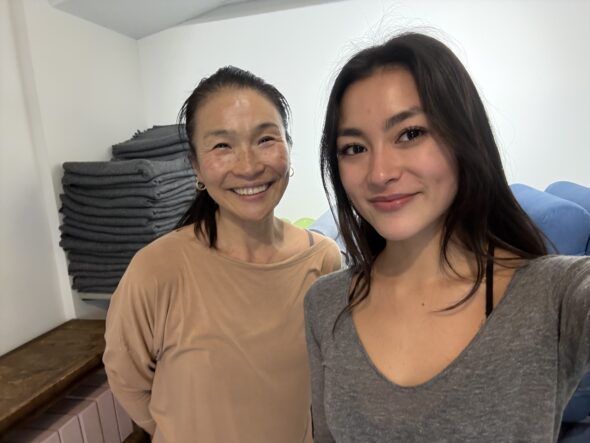
The circle is really welcoming, with the members always inviting to play with them, regardless of the games; however, at times, it is good to try and be more vocal and set up a game yourself. I was able to join this CIP with a fellow KCJS member, Umi (pictured), which allowed for much smoother interactions, especially when talking after practices.

My advice to incoming KCJS students is never be afraid to try new things or meet new people, especially when language barriers can be a bit daunting. This experience taught me a lot not only about Japanese culture but also about Basketball culture around the world, which was really interesting to see firsthand!


Victoria Raiken: Shamisen at Greenwich House

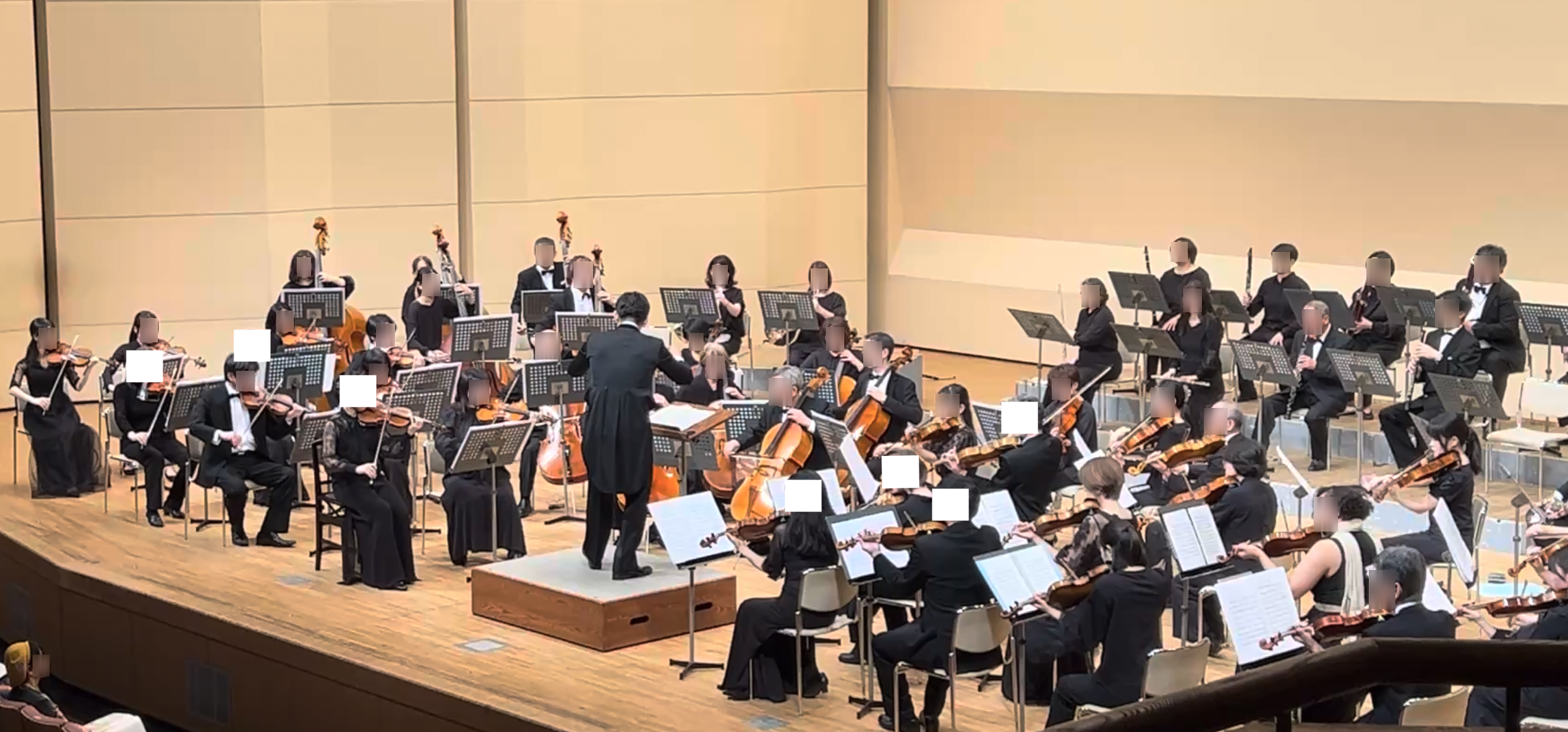
For my CIP, I took lessons at Greenwich House to learn the shamisen. I was joined by two other students from KCJS where we learned how to play a variety of traditional music pieces and ended the semester with a concert that involved the whole music school.

Before coming to Japan, not only did I have very limited experience with stringed instruments but I had also never seen a shamisen in real life before. Learning the shamisen in such a short time to perform at the concert was a big challenge for me but I’m so grateful I was given the opportunity to be a part of this community and learn about such a valued piece of Japanese culture.

My advice to incoming students would be to apply an interest you already have and use that passion to create connections within the community. Despite my skill-based challenges, I had a genuine interest in music and because of that I was able to bond with both the other KCJS students as well as the wonderful people at Greenwich House.

Malia Marinchak: Yoga at Tamisa Studio

This semester I attended weekly classes at the Tamisa Yoga studio in Sanjo Teramachi as part of my CIP. Throughout my classes I was able to experience what Yoga practice looks like in Japan as well as join as forge connections with the other students and have meaningful conversations with the variety of instructors on ways to improve and deepen my practice. The studio offers classes taught in Japanese only or dual taught in English and Japanese, and while I mainly attended the Japanese only ones, both were incredibly helpful as listening practice.

Since I had attended a different study abroad program in Japan for 8 weeks before the semester started, where I got to study Japanese traditional dance (本舞踊), this fall I was interested in returning to something that I do back in the US, that allowed me to prioritize mindfullness and exercise while I studied abroad. This kind of CIP worked for me since I also volunteered at a teahouse throughout the semester, so the project was more like a supplement, rather than the main way I interacted with my community.

While this worked for me, my circumstances were a bit unique, so If you haven’t experienced a traditional Japanese art, I would definitely recommend trying that, or volunteering with local organizations.