Tsuki Carlson: Volunteering at Mitsuba Kindergarten

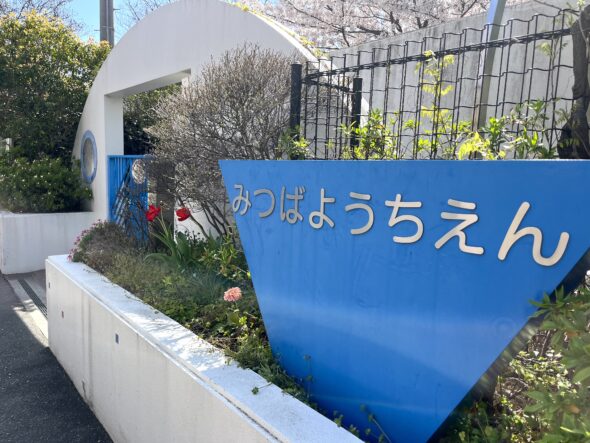
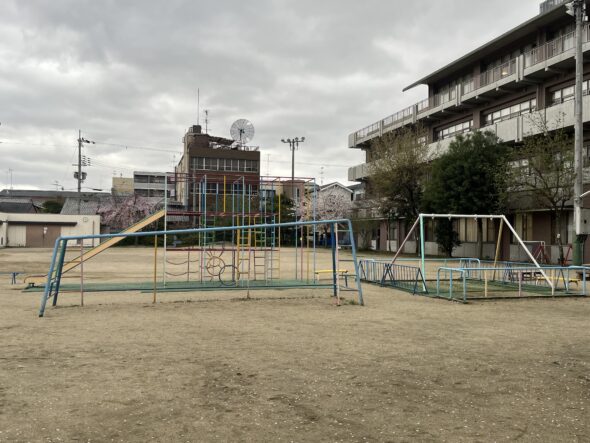
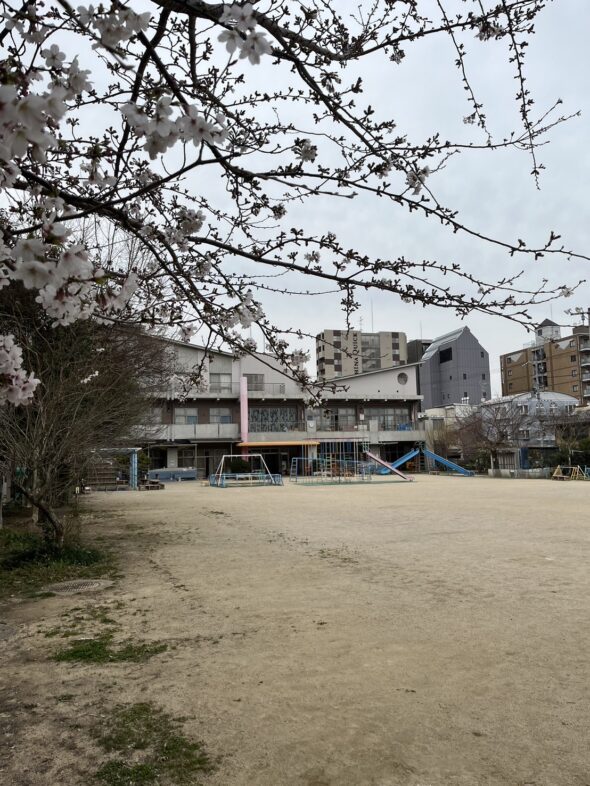
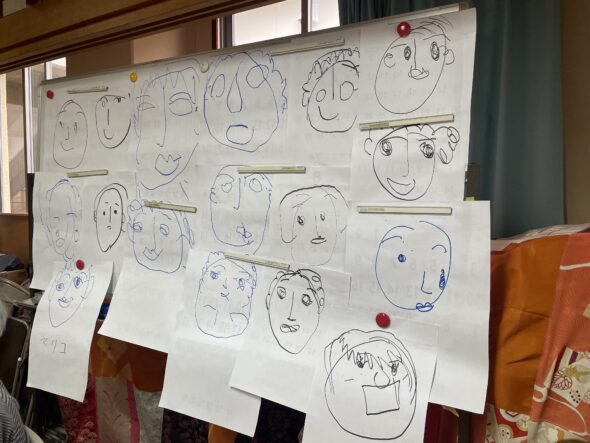
This semester, I volunteered at Mitsuba Kindergarten (みつば幼稚園) for my CIP. Every Wednesday from 2-4pm, I would walk over to the Kindergarten and spend time with the kids (ages 3-6) playing games, reading picture books, drawing, and of course, supervising along with the other sensei to ensure a safe environment. The kids are incredibly excited to spend time with us volunteers, so it was really easy and heartwarming to connect with them. By the end, they were always sad for us to leave, and it was gratifying to know that we had make an impact on their day.

Through this experience, I not only gained an understanding of the Japanese kindergartens themselves and the free-nature structure of this environment, but also how to communicate with children in both a disciplinary and playful manner. I had not previously considered the cultural differences that may take place in the early education systems, but through observing the sensei-student dynamics and finding my own place within that, I feel grateful to have gained a new perspective through this experience.

I would advise anyone who enjoys spending time with kids to take part in this CIP— I was expecting to have to make a big effort to connect with the kids, but we were immediately warmly greeted and after just one visit, they remembered our names and those relationships deepened over the semester. This CIP is high energy and sometimes loud (you spend more time talking with kids than adults), but the community is so vibrant and anyone who is interested in this environment would be welcomed with open arms (literally, by the kids!).

El-Ghannam Rashad: Volunteer at Nishijin Child Care Center.


For my CIP I volunteered at a 児童館 (jidoukan) once a week. It’s like a daycare for children to go to after school, ranging in children from ages of like 6 to older elementary schoolers. As a volunteer I get to play with the children, and make sure nobody gets hurt.

 I greatly enjoyed my time here as a volunteer, every week I got to practice listening and talking as I played along with the children. I was surprised how much I could learn from them, one kid even taught me how to play shogi. Though at times it could very loud, and a lot of things may be difficult to understand. So I definitely recommend learning about the Kyoto dialect early on.

For those who are thinking about their CIP coming in, I would greatly recommend volunteering in a Jidoukan. The children are usually sweet and aren’t yet shy of foreigners and are in fact the opposite, greatly infatuated with how u look. And even if you can’t understand them or they can’t understand you at all times, they will still love talking to you. It’s perfect for those who may feel easily embarrassed about speaking mistakes, as the children don’t really care and there’s nothing to be embarrassed about. And for CIPs in general, the sky’s the limit. Go and find something you want to do or try something new.

Will Johnson: Volunteering at Fukakusa Kindergarten

At Fukakusa Kindergarten I got the opportunity to play and interact with the students for a couple hours each week, doing things like solve puzzles, build LEGOs, and play card games. If you’re looking for a place to work with younger Japanese students, Fukakusa is great, and you get the chance to work with some Japanese students in English as well!

My experience at Fukakusa was different than what I thought it would be at first, a place where I would primarily use English and teach it to Japanese students. However, it turned into a place that was challenging for me with regard to my Japanese skills, as well as a great opportunity to learn about the culture of the Japanese education system. The staff there are amazing and do a great job of making you feel welcome and will help you out with any trouble you have!

Jack Johnston: Volunteering at Happiness Kodomo Shokudou

This semester I volunteered at Happiness Kodomo Shokudou, a children’s cafeteria near Nishioji Station! Every Wednesday I would volunteer from 3-8 PM by preparing parts of that evening’s meal, serving food, cleaning, and keeping the children occupied.

No one at Happiness can speak English, so this was a great opportunity for me to be completely immersed in Japanese for almost my entire day. I enjoyed getting to know the other volunteers at the cafeteria, as well as getting the opportunity to attend additional activities like strawberry picking.

For incoming students, I would highly recommend making an effort to get to know the children quickly and early on. For those with whom I didn’t interact within the first week or two, it became very difficult to talk with them. Likewise, this CIP is loud and engaging, so be prepared to interact with many different types of people!

Emma Liu Volunteering at Mitsuba Kindergarten


This semester I did my CIP at Mitsuba Kindergarten as a volunteer. Every Wednesday I would walk to the kindergarten and have fun with the kids from 2-4 pm. My routine usually involves playing with the kids (reading books, drawing…) and monitoring the environment to make sure the kids are safe. Throughout this experience, my heart was always warmed by the children’s affection and the staff’s welcoming nature. Every time was a learning adventure, not just for the kids, but for me as well. I observed firsthand how cultural norms shape educational practices, especially in areas like discipline and child autonomy (it seems to me that Japanese kids were given an extraordinary amount of freedom). The most enriching part was definitely seeing the tangible progress in my Japanese language skills and the deepening of my understanding of intercultural nuances. This entire experience was a wonderful blend of teaching, learning, and cultural exchange that is not only enjoyable but also very helpful with my pursuit of engaging in international comparative education

For those considering similar opportunities, I highly recommend it!! Engaging in such experiences can significantly enhance your understanding of different cultures and educational systems. It’s a chance to grow linguistically and personally and to gain invaluable insights into the intricate relationship between culture, language, and education.

Sampson Williford: Volunteering at Ohara Academy

Every Wednesday from 12 – 3 pm this semester, I traveled to Ōhara, Kyoto, to volunteer at a school (京都大原学院) as an English teacher. I got to eat lunch, give an American cultural presentation, play games, and participate in English lessons with the students there. The students ranged from 1st to 9th graders. Despite volunteering as an English teacher, I got plenty of opportunities to speak Japanese with the students and staff! 

The bus ride is about an hour from the KCJS campus, but the trip is worth it! The kids were always excited to see and talk with me, especially when they learned I could speak Japanese. The students truly wanted to know about me and what life is like where I am from.  I highly recommend this activity, especially if you want to improve your speaking and listening capabilities, are curious about how the Japanese education system works, or want genuine conversations and interactions with Japanese speakers. The first few weeks were difficult and kind of awkward because I was unfamiliar with the Japanese school system, and the kids were unfamiliar with me, so I ended up being the teacher who got lost often and nodded a lot, but by the end, I was able to communicate with the students effectively and hold conversations in Japanese with them, usually about cultural differences or shared interests like food or games. 

If you’re considering attending KCJS, my advice is to be patient with your CIP. Conversations might be slow (or non-existent) at first but don’t hesitate to ask for clarification and keep looking for common interests or experiences that you can connect with. I wasn’t perfect, but when I started this activity, I understood maybe 20% of what was said to me and ended it understanding around 60%. Even though it is not 100%, this increase is massive compared to what I could do back home and gave me plenty of enjoyable moments and memories with the students at Ōhara. 

Steven Hadley: Volunteering at Bazaar Cafe

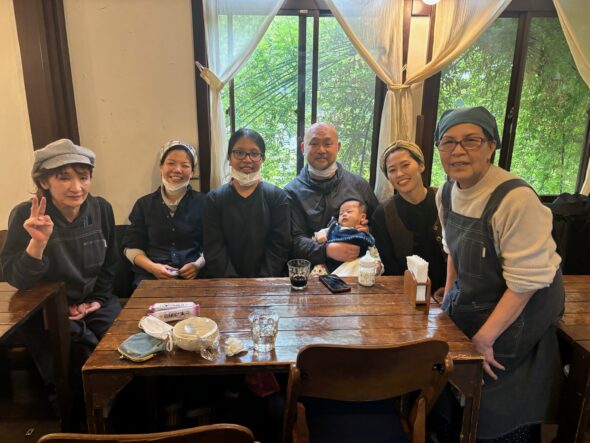
A cozy corner of the Bazaar Cafe, just to the right of the front counter, and to the left of the stone fire place.

At the Bazaar Cafe, I spent most of my time washing dishes and putting dishes away. When things were less busy, which happened semi-frequently, I was assigned to recycle old containers, or clean trays that had been used by customers. However, the unique atmosphere created by the diversity of experience, character, and age of all of the volunteers truly makes for a great group of people to work with, as well as chat with. People were very polite with me, in spite of my limited language skills, and wanted to make sure that I was comfortable during my time there. For those curious about volunteering at the Bazaar Cafe, I recommend doing your best to engage with others while on the job, and not being afraid to ask questions, whether they be work-related or not. The more you engage with the people around you in the kitchen, the more enriching your experience will feel, and the more supported you will feel in your work, and ultimately, as a member of the team.

Holly Middlebrooks: Volunteering at Mitsuba Kindergarten

For my Community Involvement

Project this semester, I chose to volunteer at みつば幼稚園 (Mitsuba Kindergarten) due to my love of kids and desire to learn more about the Japanese childcare system. Every Monday, I would walk to the kindergarten from campus, and spend two hours assisting the kids in their daily activities, playing with them, and help them practice both their English and Japanese writing skills. This was a super rewarding experience, as in addition to becoming close with the kids, by the end I was also being acknowledged by fellow teachers and even some of the parents as a part of the Mitsuba community. I also felt as if there was a very equal exchange of culture that occurred, as while I was able to learn all about the inner-workings of a Japanese kindergarten (which I found to be shockingly hands off compared to my expectations), the kids were always eager to hear about my experiences as an American (and of course, freak out over me speaking English after relentlessly begging me to). I would highly encourage future KCJS students to pursue a CIP like Mitsuba where there is an existing community which is also accessible to break into, especially if you’re on the more reserved side. In the end, kids don’t judge and just want to have a good time, and by including you in their fun, you’ll be able to interact with other members of the community like teachers, parents, and other volunteers. Overall, I am very thankful for this experience and can’t wait to see the kids again next semester!

Catherine Wu: Volunteering at Muromachi afterschool program

My CIP was volunteering at the Muromachi location’s elementary afterschool program. My time usually consisted of joining the staff meeting from 2:30-2:45, playing games with kids until 4, which is snack time. Since I worked in two locations, I found that the smaller program with around 17 kids was much more fun and helpful for learning Japanese. Getting to know your coworkers and the kids in a smaller setting is really nice, and I wish I had more time at the smaller location since I spent 6/8 weeks at the larger location. I feel like I’ve learned kansai-ben as well as how to talk very casually (as kids don’t ever use formal language), so it’s been nice to see me understanding them more as the program went on. I will say that kids can sometimes be really rowdy and it might be awkward to try to go up to kids you aren’t familiar with to start conversations, so if you are on the shy side or don’t like to be around too much noise, this might not be a good CIP.