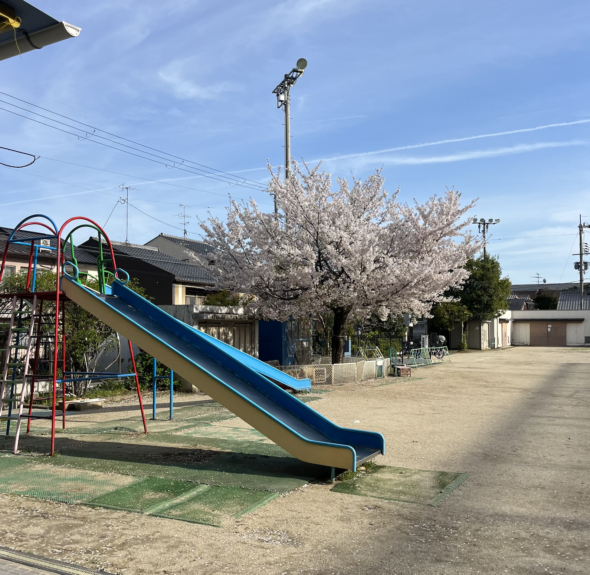
James LaCava : Volunteering at 淀児童館

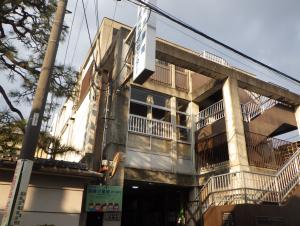
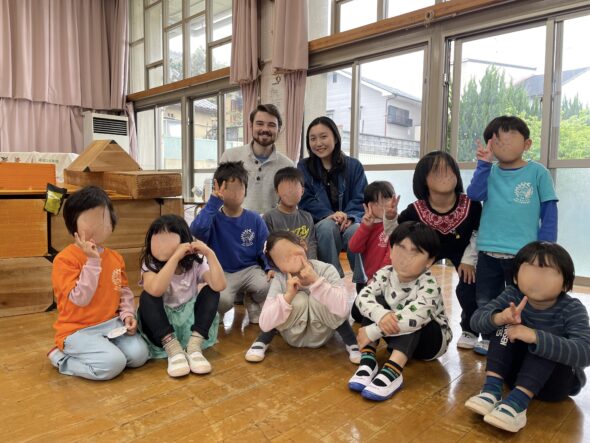
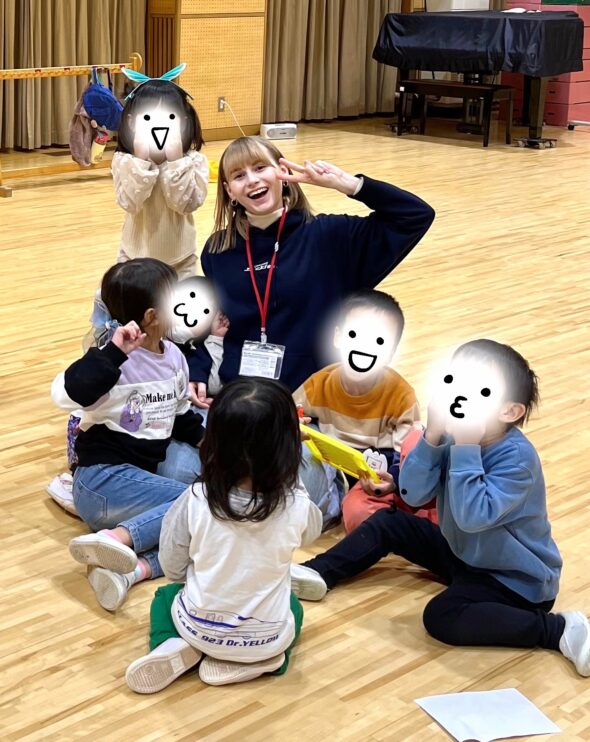
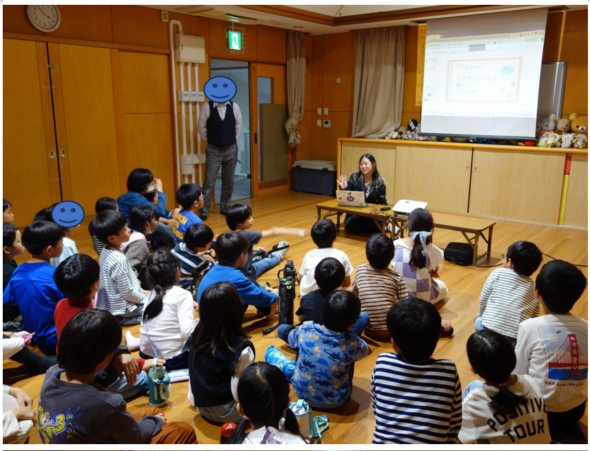
For my CIP activity, I was a general volunteer at Yodo Children’s Center, a local Children’s Center near the residence of the host family I was staying with at the time. I played with the children, talked with them and the teachers about America and myself , and assisted with setup or cleanup as needed by the teachers. 

Overall it was a very leisurely experience for me, and I enjoyed getting to have fun with the children as well as occasionally talking with the professors about my life as a foreign student in Japan or them and their lives. It was something I was able to do only because I was fluent enough in Japanese to explain to the teachers and principal at Yodo Children’s Center about myself as no one there knew any English at all.

If you like working with children, there are many options that do not rely on your Japanese fluency; however, the more fluent you are in speaking Japanese, the easier it will be to enjoy the experience no matter what CIP project you end up chosing. 

Leah Rosenkranz: Volunteering at Ohara Middle and Elementary School

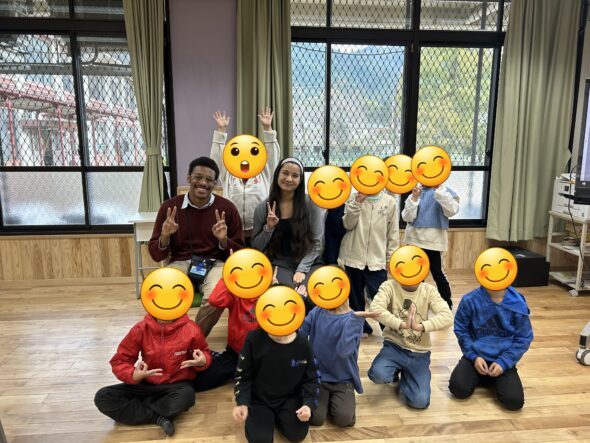
For my CIP, I volunteered at an elementary and middle school in Ohara. Every Wednesday, I would eat lunch with a different grade and do activities in an English class. 

I really enjoyed getting to interact with young kids, who I would have had no exposure to, and observing how the education differs from the United States. In English class, it was exciting to participate in games and learn ways the teacher makes learning engaging for all ages. With so many students in the school, it was difficult to form relationships with any few, however, the students seemed to really warm up to my and the other KCJS student’s presence over the 10 weeks. 

For anyone interested in teaching or just enjoys spending time with kids, this is an amazing opportunity. While it is a bit far away (about 1 hr by bus from Doshisha), it was a very rewarding experience. It was unlike any other experience I would have been able to have in Japan and I am very appreciative to be immersed in the school community.

Luke Leicht: Volunteering at Nishijin Afterschool Center

画像


Every Wednesday I went to Nishijin after-school center from 3-5pm and helped look after the children ranging from 6-10 years old. The volunteering consists of always engaging with the children and ideally forming relationships with them throughout the semester to create a fun environment for everyone.

The staff will usually speak close to zero english, but they are all kind and patient towards any questions or problems you may have. Additionally, despite the language and cultural differences, most of the children will want to seek you out so there will be times when it could get overwhelming but over time it becomes more manageable.

My biggest piece of advice is don’t be afraid to interact with the kids! Use your Japanese skills, whatever level it may be, to engage with the kids and they will give the same energy back.

Sam Kraus: Volunteering at NPO Reframe

This semester, I volunteered at NPO Reframe, a place for kids who have problems at home, mental health issues, do not go to school, etc. At NPO Reframe, the kids often play outside, play video games, eat snacks, and more.

I spent my time watching over the kids and making sure everybody was safe, playing with them, cleaning the rooms in which the kids played in, etc. The picture I uploaded is a picture of me and 朝倉さん (Asakura-san,  the owner) standing in front of the entrance.

If I were to offer advice to incoming students, I would advise you to challenge yourself by starting easy and slowly building up overtime. For example, the first time I went to my CIP, I was quite anxious since I went alone; therefore, I challenged myself to simply show up that day. Next time, now that I had already shown up, I challenged myself to strike up a conversation with someone. And the time after that, I would strike up a conversation with two others, or simply try something else. Challenge yourself, build a ‘tolerance’ to that challenge, and keep trying new things. The things that were daunting at first will become easier, which will open up even more doors for you.

Yue Ma: Volunteering at Elderly Activity Center

This semester, I have been volunteering at the 上京老人福祉センター, participating in the weekly 生き生きサロン and leading mini-lessons related to Chinese language and culture. Initially, presenting in Japanese was quite intimidating, but everyone has been very tolerant of my mistakes. I’ve enjoyed my time at the salon and getting to know the obachans, and I hope to return there during the Spring semester.

For future students, I would suggest finding a CIP that truly interests you. It may take a bit of time to figure out what do you wanna do, but don’t hesitate to ask for help from sensei and others. Also, don’t let your Japanese skills deter you from pursuing your interests but have faith in yourself to learn and adapt.

Jacqueline Zou: Kyoto Animal Shelter

My CIP was to volunteer at the Kyoto Animal Shelter 動物愛護センター. Our weekly session usually involves walking the dogs and cleaning the dog pens and cat pens. I really enjoyed walking the dogs—the best part of it is that, as we gradually gained the dogs’ trust, we got to know the name and personality of every dog and truly became friends with them. We were even able to teach them how to listen to instructions to sit down. The workers there are also extremely friendly and encouraging.

For future students looking into volunteering at the shelter, it does require some tough mentality to clean up the dog pens at times because it can get very nasty, but I think being able to spend time with these adorable animals outweighs the tediousness of work.

Xinlan Chen: Volunteering at Kyoto Animal Care Center

This semester, I am volunteering at Kyoto Animal Care Center for my Community Involvement Project. The center serves to help cats and dogs in need to connect with their prospective adopters, and we are there to help take care of them before they find their new home. Activities at the center includes taking the dogs out for walking, assisting with their training (teaching them to sit, wait, or to walk by the owner’s side, etc.), cleaning the dog pens, feeding the cats and cleaning their cages, and play with the cats to help them release their energy and get use to people. Once we were also invited to help create message cards for the household who’ve kindly adopted the kittens, using the photos of their new family member.

It was a very enjoyable and rewarding experience. To be able to work at the facility requires a decent level of Japanese skills as you’ll need to be able to communicate with the staffs and frequently changing volunteers working at the facility, and most of them are not skilled in communicating with foreigners or language learners and usually speaks fast & with accents. That being said, everyone at the center are all very nice and welcoming, and the animals are just ADORABLE, making volunteering at the center a wonderful experience and a great stress relief opportunity and a nice break from everyday class.

This opportunity is 100% recommended for whoever loves animals (you will not find any better place than here, esp. if you like kittens). Be somewhat prepared for needing a little time to fit in and for not being able to participate fully in their activities (taking care of some certain animals require more professional skills), but relax and do not feel stressed as all the staff and volunteers here are all very warm and understanding.

Jian Soo: Volunteering at Miyakoshi Fukakusa Youchien

I volunteered at Miyakoshi Fukakusa Youchien; activities included reading simple English books to the children (and doing translation to Japanese), playing board games with them (which they loved to cheat at), and generally being a good playmate with the kindergarteners.

Volunteering at the Youchien has been an experience that I will carry with me my entire life. If you like working with kids, there is no better CIP to choose.

Some advice to incoming students: the kids really like to have ‘skinship’ with you: this sometimes includes them just randomly jumping onto your back, sitting in your lap and hugging you. Make sure you are comfortable with some physical contact if you want to do this as a CIP.


Matthew King: Volunteering at Kyoto Animal Care Center

My community involvement project for this semester was volunteering at the Kyoto Animal Care Center in Fushimi Ward. During this time, I was able to walk some of the dogs ready for adoption and assist in their training, clean the cat room and play with them to help release some of their energy, and washing the kennels when the center was short-staffed. I was even able to accompany some of the center employees when they were to pick up or drop off stray cats from around the city.

Getting to talk with the center staff and my fellow volunteers was a great way to improve my Japanese and learn how to more effectively express myself, and spending time with the animals was a great way to relieve some stress after my morning class. It also ended up being a good way of exploring the nearby area when walking dogs and helped me get an even better understanding of Kyoto.

If you’re interested in coming to KCJS and love animals, I would highly recommend volunteering at the center. The people there are very kind and understanding, and you’re given many opportunities to talk with them throughout the day. Just be prepared to deal with some rowdy dogs – they’re incredibly sweet, but they can definitely knock you over if you aren’t paying attention.

Nathan Reichert: Bazaar Cafe

Introduction:

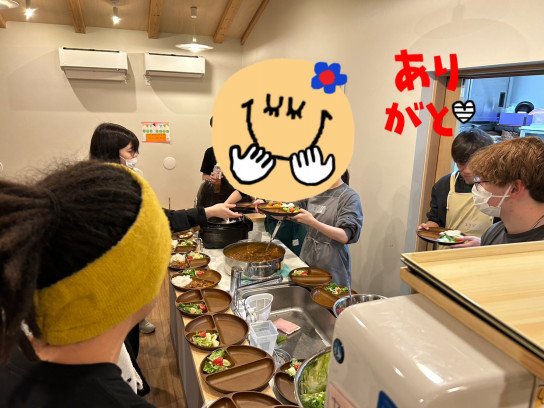
My CIP was Bazaar Café in which I worked as a volunteer in a café primarily washing dishes. It was almost always a good way to practice my Japanese and talk with locals.


Comments:

When the café got busy, the CIP became extremely tedious and boring as everyone would be busy working and I would be busy washing dishes. However, when the café was not busy, people would converse and sometimes even feed me.


Advice:

My advice is make sure you know your goals before choosing your CIP. Understand what you want to get out of your CIP, such as improving language skills, learning a new skill other than Japanese language, and/or surrounding yourself with locals, before picking an activity. Also, do not be afraid to come up with something on your own and do the research to facilitate it.