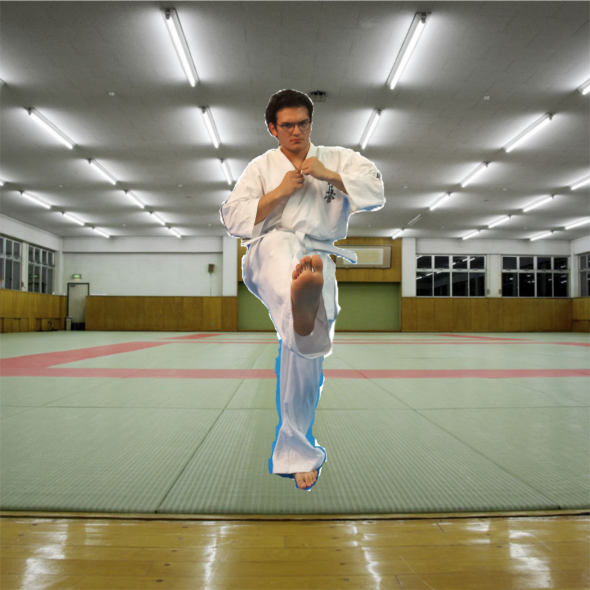
(Edited image as I could not post a photo of the dojo itself)
Kyokushin Karate is a full-body contact sport (advanced training/real matches will involve you getting hit) pioneered by Masutatsu Oyama, which focuses on how gracefully your movements flow into one another but also on the power of your strikes. Moves include punches and kicks, along with blocks/deflects, prioritizing a strong body and sharp mind rather than utilizing evasive tactics.
The sensei was understanding given that it was my first time doing karate and it took me a few weeks (1 practice a week) to learn the basics, and I found that the dojo is considered a sacred but welcoming place with students from all walks of life gathered for the purpose of learning. I chose this activity to supplement my workout routine and to challenge myself in a completely new environment (karate in Japan) which normally requires you to pay close attention and listen to the instructor to do techniques correctly, but now I had to learn new Japanese phrases as well to follow along.
I have several pieces of advice, the first being to practice what you learned on your own time, even for just a bit. Returning to the dojo can be the hardest part as you don’t want to make the same mistakes as before, so practice the basics on your own time to iron out the form and be ready for the upcoming lesson. Here’s a useful link for the basics: (https://youtu.be/2_PRuRqbSLo?feature=shared)
REMEMBER, stretch first. Secondly, learn how to tie your dogi properly, it’s a sign of how prepared you really are, and it prevents your dogi from interfering with your movement. Thirdly, remember that the only way you will improve is to keep trying. You cannot give up midway as that not only stops your progress but, if you are practicing with other students, you will end up getting in their way. I only went to practice once a week, so it took me about 3 to 4 weeks to get most of the basics down. If it takes time for you to learn, don’t worry. Lastly, you should know what is expected. From my experience the positions can be a bit strenuous if you’re not flexible or not used to moving in a controlled motion and then holding a certain position for some time. For example, stretching at one point includes leg splits (no need to go all the way), and for many of the strikes you have to place your feet inward with one foot slightly in front. I’ve been running so I was not out of breath, but it would be a good idea to work on your body condition and balance. I did not know before starting that beginner lessons were more or less just practicing form and strikes, while the sparring lessons were their own class. If you want to spar, I recommend fixing your form first. When you decide to attend the sparring class, be ready to spend a decent amount on required assist/protection, and to get hit. Most lessons that would pertain to you occur in the afternoon, mine was around 8pm. If you can dedicate time, effort, and passion to learn this martial art, I recommend doing so.
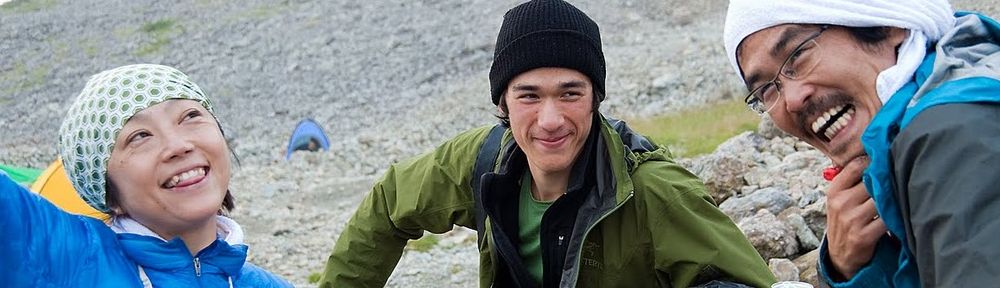
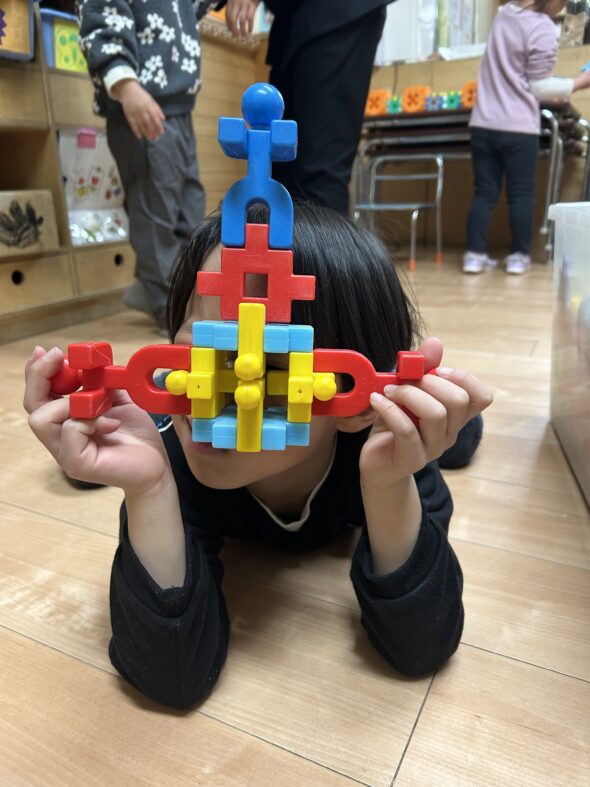
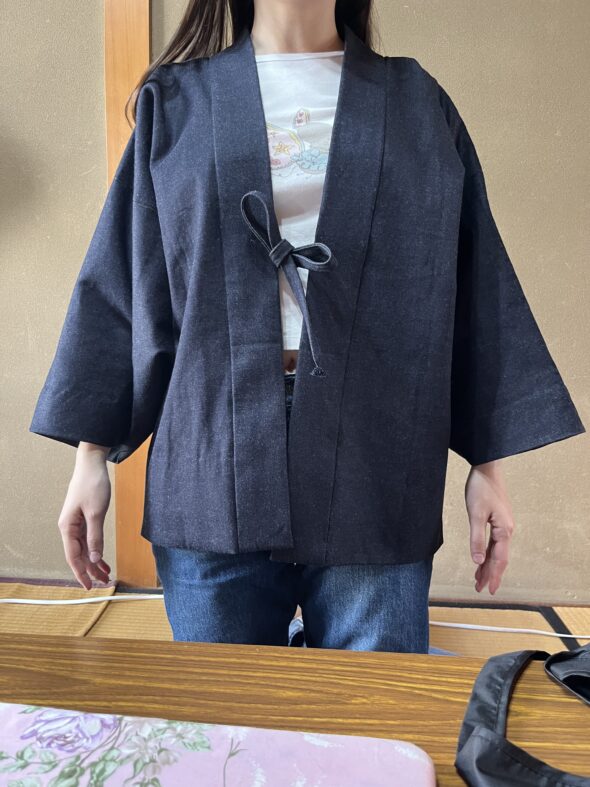 For my CIP, I chose Kyoto Wasai Classroom with fellow classmate Kylie. We chose to make haori and were given the freedom to choose our fabrics. Over the course of 9 weeks, we hand sewed our own haori with the help from 2 senseis. Making my own Japanese clothing item from scratch was very difficult, but the final product is something I will always cherish. If any future students are interested in doing Wasai as their CIP, I suggest researching a new place that has worked with study abroad students before. I also think it would be beneficial to have some background in sewing as I found it to be not super beginner friendly.
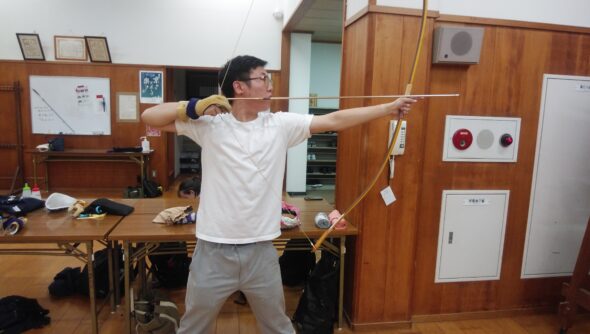 For my CIP this semester, I chose to take lessons in Kyudo, the traditional martial art of archery. I had practices at the Kyoto City Budo Center once or twice a week, and I was instructed by Furuya-sensei, a very kind teacher who has taught KCJS students in the past as well. I have actually been interested in Kyudo for a long time, and I’ve done archery before at a club at my home university, but as Kyudo is a very different kind of activity, I wanted to really learn it from the ground up while I had the rare chance to here in Kyoto. Kyudo is different from regular archery primarily in its objective. Rather than focusing on the particular result of hitting a target accurately, Kyudo emphasizes the form of the process itself, from stepping into the range to drawing the bow and everything in between. The idea is that the shooter focuses not on hitting the target, but completes every defined movement naturally and beautifully with an empty mind, and thus the arrow will always strike its target as a byproduct of one’s consistent efforts. I had an incredible time learning this difficult but rewarding art, and I would encourage anyone even remotely interested to give it a shot. A piece of advice I would give to beginners would be to not go into it with any expectations of yourself, as regardless of your previous experience with archery or other martial arts, you will almost certainly have to learn everything from the ground up, as there are just so many minute details about Kyudo. But should you be willing to fail over and over again until your body has remembered every specific movement and posture, I can guarantee that the feeling of gratification you’ll get when you finally hit the target is like no other.