Cecille de Laurentis: Kyodai Orchestra

I have mixed feelings about my CIP experience.

First, the good: there is no doubt that the CIP can provide experiences that a ryuugakusei might not otherwise have access to in Japan. Although interacting with our host families and with the outgoing KIXS and DESA members is certainly good language practice and often a lot of fun, generally the families that choose to host and the students that choose to join international circles are used to interacting with foreign students and enthusiastic about it. Thus, chances are we’ll be spoken to in language we’re more likely to understand; our mistakes will be more readily forgiven/breezily ignored; each participant in the interaction has a better idea of what to expect from the other. In other words, it’s less of a challenge. However, when one reaches out to a circle or community organization, one may encounter people who have never met a ryuugakusei before, creating more pressure on both ends. Talking to the people at Kyodai Orchestra was a huge change from hanging out with my host family or my KIXS/DESA friends–from their slang/vocabulary (I was totally thrown by “ikkaisei” and “gakubu” in lieu of “ichinensei” and “senmon” at first) to their mannerisms. Suddenly being polite and following cultural expectations became a lot more important–which, if I’m not mistaken, is part of the intended value of the CIP. It keeps us from getting complacent, which is definitely beneficial.

However, I must unfortunately voice disagreement with some of the things we were told at the CIP information session at the beginning of the year: namely, that it’s best to pick an activity you are very familiar with and/or good at. I understand the motivation behind that, but I honestly wish I had tried to learn (for example) the koto from scratch, or done something I was perhaps vaguely familiar with, rather than try to play cello in an orchestra, something I have done in the States for about ten years. Because I’ve been heavily involved in the Western classical music world for so long, a world in which the structure and expectations are very familiar to and beloved by me, the cultural differences in the Kyodai Orchestra system grated on and sometimes even upset me, rather than opening my mind to learning opportunities. Considering that I’ve largely found it easy to embrace cultural differences in general since coming to Japan, that is a significant thing to say. Therefore, I would recommend for future students: choose a CIP you are interested in, to be sure, but perhaps avoid an activity which you feel strongly about or are very used to in its Western form. In terms of Kyodai Orchestra specifically, the people are kind and welcoming, but due to the lack of an audition process, it’s impossible to enter the main orchestra, so that would be another thing to keep in mind.

Additionally, I feel that were I studying abroad for a full year, I would have been more motivated to form meaningful connections with the other orchestra members. For the first month and a half that I attended my CIP, I was only doing individual practice in the strings building, because they weren’t sure in what capacity I could enter the orchestra yet. I didn’t consistently see the same people every week, and it wasn’t until after I’d joined the first-year orchestra (as I mentioned above, joining the main orchestra wasn’t an option), which in turn wasn’t until mid-November, that I received a welcome party and actually had an extended interaction with the people I was playing with. Because I will probably only see them once or maybe twice more and then return to the States, I feel that I quickly dismissed the possibility of lasting friendship, which is a shame. Nevertheless, I enjoyed the welcome party much more than I expected to, and it provided me with an opportunity to experiment with some of the wakamono no kotoba and Kansai-ben I’ve picked up since I’ve come to Japan–since the other orchestra members aren’t particularly familiar with the formalized college-Japanese-student language I arrived here speaking, I wasn’t looked askance at, which was quite gratifying (though I don’t mind being mocked in a friendly way by others, of course.)

To conclude, there’s definitely no way I can say my CIP was worthless, but I feel I could have gotten more out of it than I did, which is both my own fault and that of external factors that couldn’t really be controlled.

Meg Beneville: Niko-Toma Volunteer Program

Meg Beneville:
Niko-Toma Volunteer Program at Kyoto University Hospital

For my Community Involvement Project, I’ve been volunteering once a week at Kyoto University Hospital through a program called “Niko-Toma”. “Niko-Toma” is a wonderful organization that aims that brighten the lives of children in the hospital, most of whom have serious illnesses and spend long periods of time there.
Niko-Toma plans many fun events for the children, such as holiday parties. My volunteer duties have been extremely varied so far. Many times I help out in the office with the other volunteers, sorting through supplies for future events, folding newsletters or making ornately decorated cards. The other volunteers are most middle-aged Japanese women, who are very warm and welcoming, and chat with me in Japanese while we work. It’s great language practice, and very satisfying to feel like I’ve become a part of the group.
Aside from helping out in the office, I’ve also had some great opportunities to interact with the kids. The Halloween party was absolutely adorable- so many cute kids in costumes, and many parents who were delighted to have such a great photo op. One of the older patients there was a 17 year old girl who I had a fun time talking to. We took a picture together on her phone and exchanged email addresses so that she could send it to me, and we’ve become “internet penpals” since then. She’s very creative and funny, and I hope talking to me is an entertaining distraction that helps to break up the monotony of her hospital stays. I’ve been back to visit her in the hospital and we have fun talking in person as well, although I had to wear a mask since she has a compromised immune system, and this made it more difficult than usual to understand and speak Japanese.
All in all, I’m very happy with my experience at “Niko-Toma”. It’s been very rewarding so far, and I hope my volunteer efforts are making a difference to the kids in the hospital.

キーリー・ナカモト:バレーボールと料理教室

キーリー ナカモト:バレーボールと料理教室

CIPの活動として私はバレーボールと料理をしています。料理のレッスンには行っていませんが、バレーボールの練習はもう一回ありました。このCIPはとても楽しいし、いい運動になるし、おもしろい日本語の練習にもなります。この同志社大学のサークルのバレーボールチームの名前はSunny Bitsで、五十人ぐらい参加しています。初めの練習の時、自己紹介の後で三時間バレーボールのゲームをしました。その後で Sunny Bitsのメンバーと夕食を食べました。バレーボールは共通語のようなものですから、このけいけんは楽しかったです。

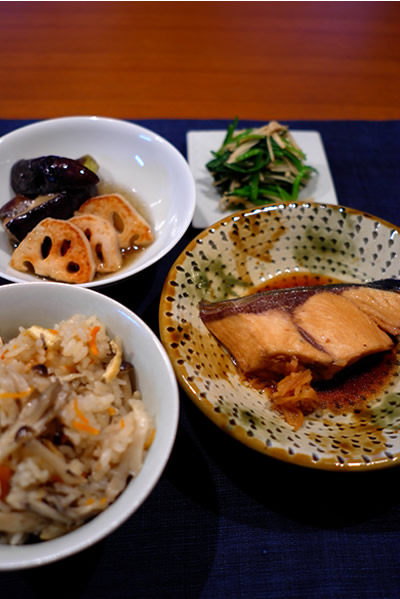
私のもう一つのCIPの活動は料理のレッスンです。毎月一回One Dish, One Meal A Dayというクラブは三時間集まって、一緒においしい食べ物を作ります。たいてい、でんとう的な日本の物を作りますが、時々アメリカ料理とイタリアも作ります。十月のメニューはてり焼き、ごはんときのこ、ほうれんそう、なすとれんこんフライでした。おいしそうでしょ?メニューはきせつによって違います。料理サークレでの活動を本当に楽しみにしています。

(http://onedishaday.jugem.jp/)

セシル・デラレンティス:京大オーケストラ

CIPのことを初めて考えた時、すぐ「音楽をしたい」と思いました。チェロを日本に持ってきていませんでしたが、まだ続けたいと思ってたところ、幸いなことにチェロを借りられて、京大のオーケストラに入ることにしました。家に近いし、同志社のより安いので京大のオケをえらんだのです。

初めて行った時、どうすればいいかよく分からなくて、困りました。全体的な練習があるはずだったのに、オケの新歓担当さんに一緒に練習してはいけなくて、個人練習をしたらいいと言われました。そして、弦楽の練習場所では、だれも話しかけて来ませんでした。ちょっと落ち込んでしまったけれど、次の週、もっと状況が分かるようになりました。実は、オケ部は200人ですので、皆は一緒に弾くのは無理で、選ばれた人だけ全体的な練習をします。しかし、私はオケ部に入れて、飲み会とかに行けて、一年生の演奏会にも参加出来るかもしれないといわれました。

それで、毎週の木曜日、個人練習場所に行くことになりました。そこで、自分で練習していると他のオケ部のメンバーに会えたりします。今週も先週も、友達がたくさん出来ましたので、いいCIPになると確信しています。

足立理恵:善立寺保育園

毎週火曜日に、KCJSのトリシャさんと今出川から祇園まで206番のバスに乗って、少し歩いて、保育園に行きます。そこで時々一緒に昼ごはんを食べながら、子供達に簡単な英語を教えています。昼ごはんを食べた後は、子供達と日本語の絵本を読んだり、おりがみをして、一緒に遊びます。

保育園の子供は2歳から6歳までで、とてもかわいいです。2歳か3歳の子供はまだあまり話せません。4歳ぐらいになると早口で、関西弁になるので、分かりにくいです。

それから他にも大変なことがあります。2度目にCIPへ行った時、保育園に行く途中で道に迷ってしまいました。そして、道に迷った時は、コンビニと銀行で助けてもらえることがわかりました。大変な経験でしたが、祇園では観光名所が多いので、道に迷うことは必ずしも恥ずかしいこととは言えません。保育園に行くのは毎週とても楽しみです!


メグ・ベンヴィル:子供のボランチア

私は京都大学病院の「ニコトマ」というグループでボランチアをしている。「ニコトマ」というのは病気の子供と遊ぶグループだ。一週間に一回か二回行っている。今までにいろいろな活動を手伝った。はじめの日、他のボランチアに病院を案内してもらったのだが、子供の遊ぶ所はおもちゃがいっぱいだし、子供の絵がかけられていてるし、本当に明るいふんいきだ。病気の子供の日常生活は大変だが、その遊び場で悪いことが忘れられるようになっていると思う。
「ニコトマ」のバザーにも参加して、かたづけを手伝った。来年のために、何を捨てたらいいか、とっておいたらいいか、一緒に決めた。ハロウィンパーティの準備もした。とてもかわいいハロウィーンカードを作ったのだが、楽しくて、子供はよろこぶだろうから、うれしい気持ちで手伝った。来週のハロウィンパーティを楽しみにしている。